Material buildup, blockages, and flow issues can significantly reduce storage capacity, impact production, and create safety concerns. Left unchecked, these problems can lead to costly downtime, emergency cleanouts, and reduced operational efficiency.
Professional silo cleaning removes hardened buildup, restores material flow, recovers lost capacity, and helps keep your facility operating at peak performance. Whether you’re managing a storage silo, bin, or concrete storage dome, routine cleaning and maintenance can improve safety, extend equipment life, and help prevent unexpected outages.
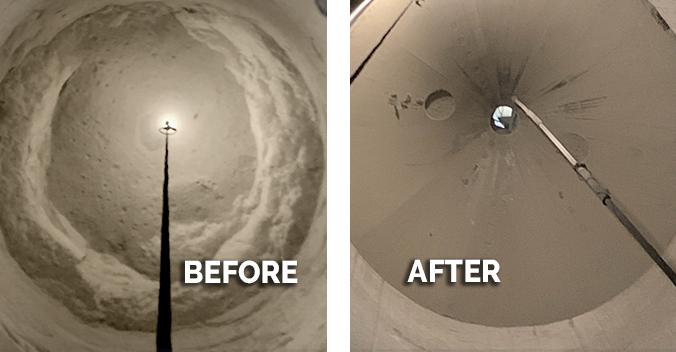
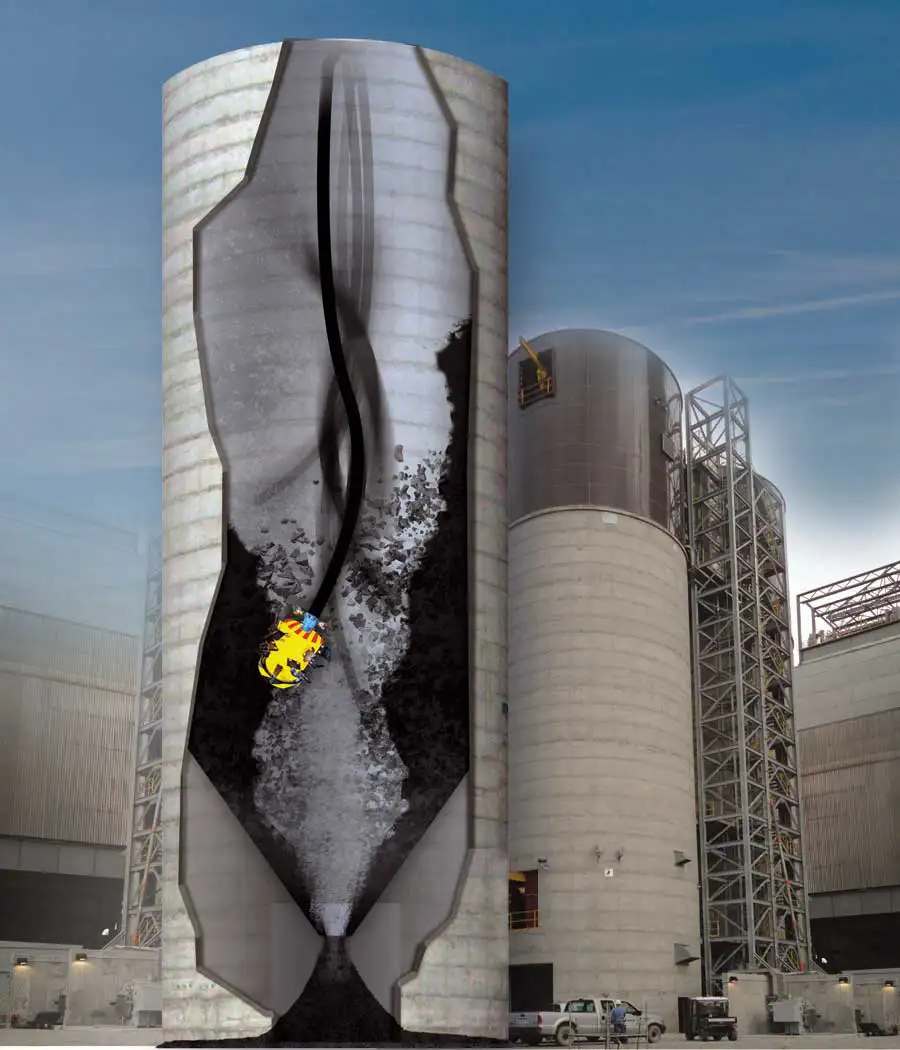
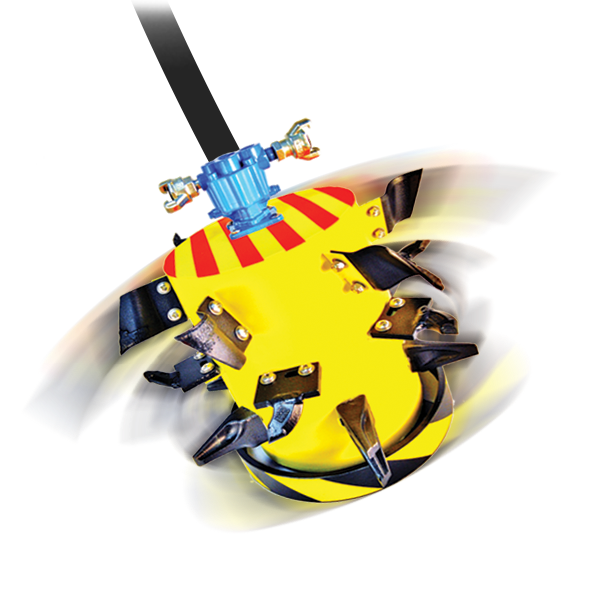
USA Silo Service utilizes The Boss™, a proprietary enhanced pneumatic cleaning system designed to remove material buildup faster, restore material flow, and minimize downtime. Engineered to tackle even the toughest silo and dome buildup, The Boss™ delivers greater cleaning efficiency than conventional cleaning methods while maintaining a safe working environment.
Unlike traditional cleaning systems that can require extended cleaning times and increased downtime, The Boss™ removes more material per hour, helping facilities return to normal operations faster and more cost-effectively.
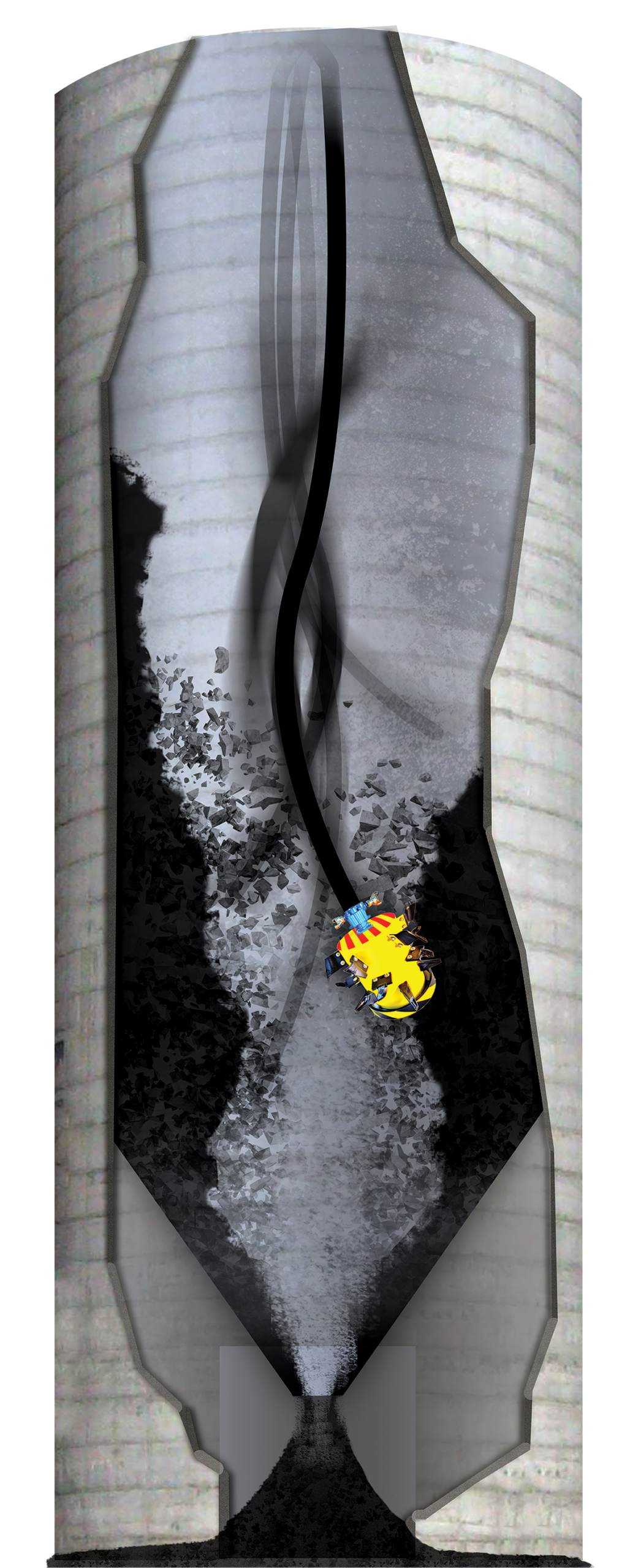
The true cost of silo cleaning goes beyond the cleaning service itself. Longer project durations can increase downtime, reduce productivity, and delay operations. By removing more material in less time, The Boss™ helps facilities reduce overall cleaning costs and return to production sooner.
Whether you’re dealing with hardened cement buildup, fly ash accumulation, material bridging, rat-holing, or restricted flow conditions, The Boss™ provides a proven solution for restoring performance and maximizing storage capacity.
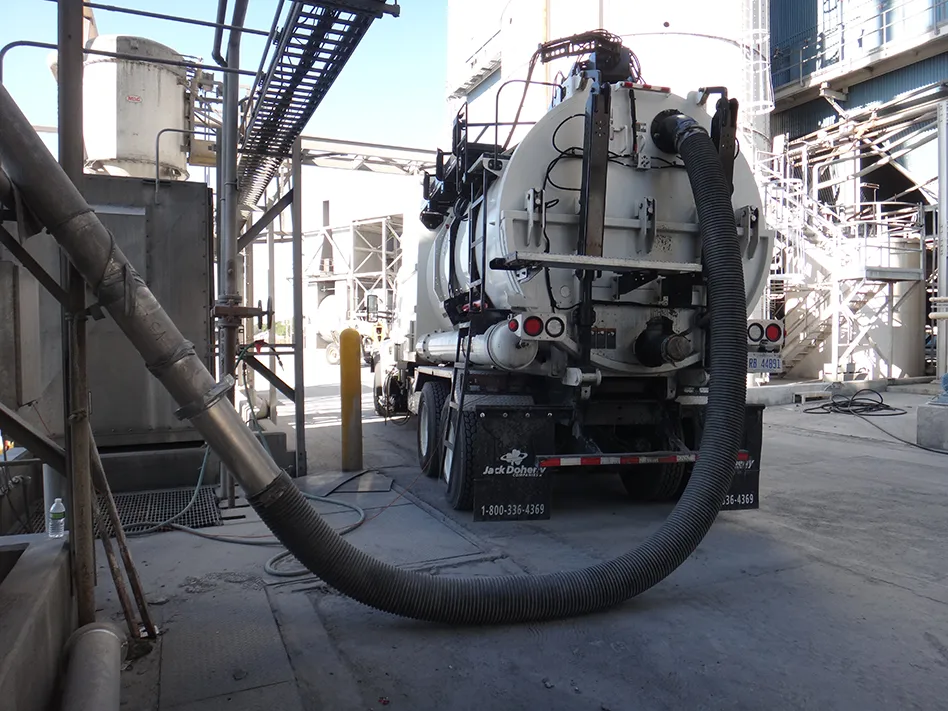
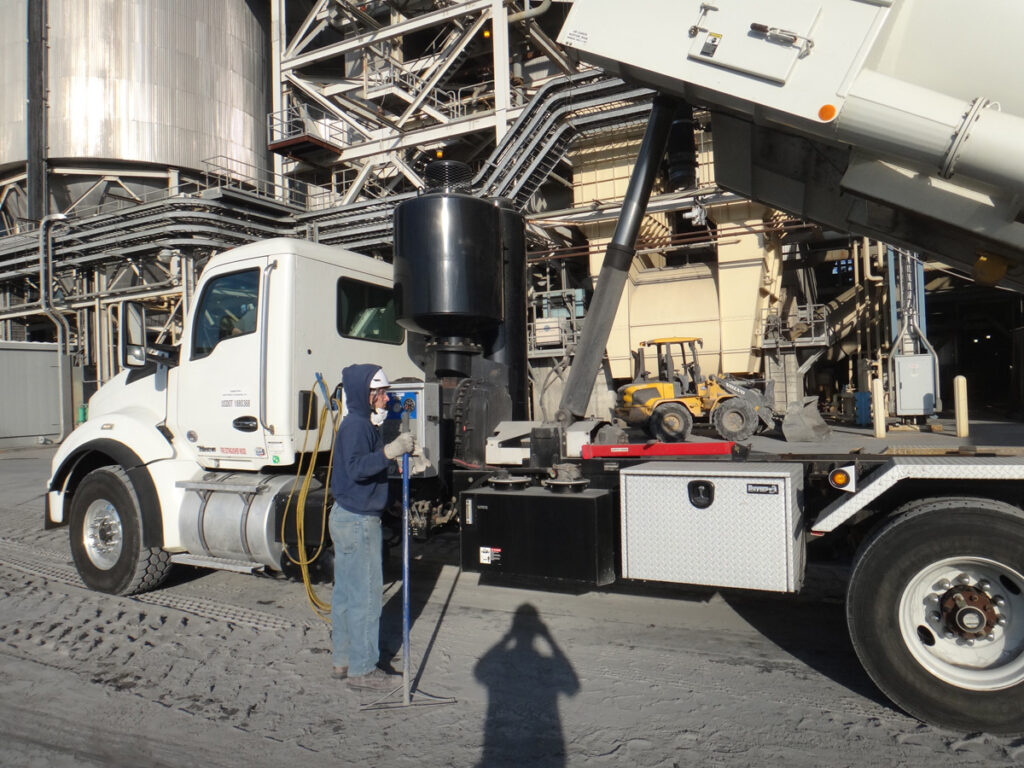
When silo cleaning is complete, the job isn’t finished until the material is removed. USA Silo Service provides industrial vacuum truck services to safely collect, transfer, and dispose of recovered material, helping facilities complete cleaning projects quickly and efficiently.
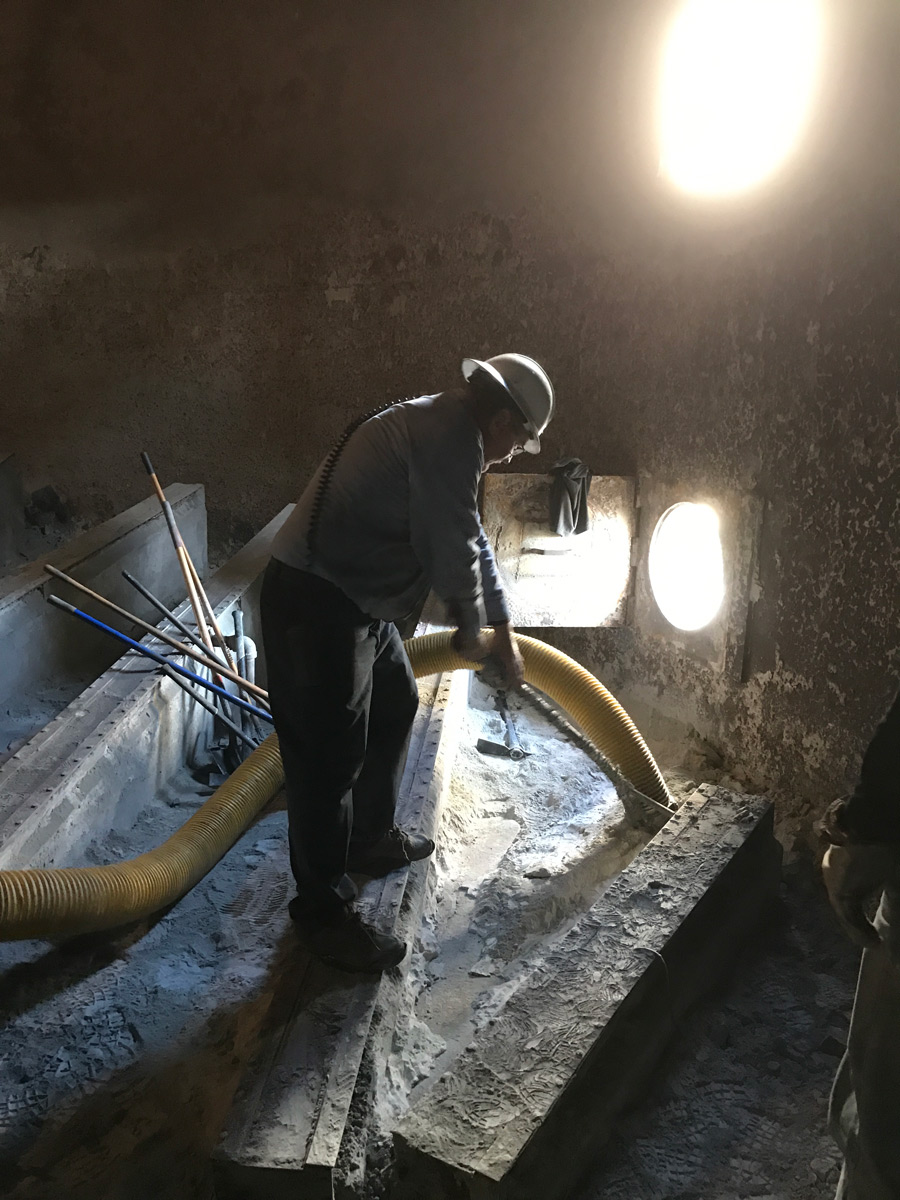
Material buildup inside storage domes can reduce efficiency, restrict airflow, and impact material flow. USA Silo Service provides professional dome cleaning services that help restore performance, maximize capacity, and reduce downtime.
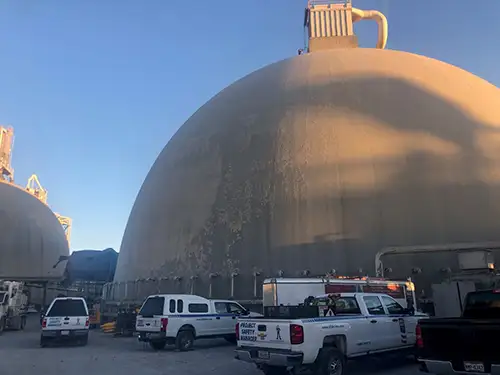
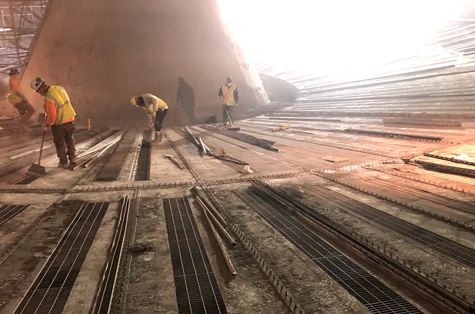

Silo cleaning removes material buildup, residue, and dust inside storage silos to prevent asymmetric flow, material bridging, and safety hazards. Regular cleaning improves efficiency and ensures compliance with OSHA and industry safety standards.
Silos should be cleaned at least once per year, or more frequently depending on the type of material stored and local environmental conditions.
Professional silo companies rely on one of three remote, dry-cleaning methods: whip cleaning systems, pneumatic cleaning systems, and enhanced pneumatic cleaning systems. USA Silo Service uses The Boss™, an enhanced pneumatic cleaning system that is the most powerful and effective method available, removing more material faster than any other clean-out method while minimizing downtime. Vacuum truck services are also available to remove and relocate debris recovered during the cleaning process.
Safety procedures include following confined space regulations, using proper personal protective equipment (PPE), and employing non-entry cleaning methods whenever possible to reduce risk of accidents and exposure.
USA Silo Service offers emergency silo cleaning for unexpected blockages, contamination, or operational shutdowns to minimize downtime and operational loss.
If a silo is not cleaned regularly, residue, dust, and mold can build up, leading to material flow issues like bridging and ratholing and reduced airflow. This can compromise stored products, create safety hazards, and increase the risk of reduced storage capacity, production delays, and structural damage. Regular cleaning ensures efficiency, safety, and compliance.
Silo cleaning from professional companies typically involves a type of remote, dry-cleaning system. These types include whip systems, pneumatic systems, and enhanced pneumatic systems. The main difference between types of silo cleaning methods involves the amount of power used and the system’s ability to remove all residue and buildup within the silo. Bin whipping is often the least effective silo cleaning method for both efficiency and amount of material removed. The most effective silo cleaning method is the enhanced pneumatic system which can remove more material faster than any other clean-out method.